
Nail surgery with chemical matricectomy. Outpatient procedure, local anaesthetic, recovery in 5–7 days. Effective treatment with a low risk of recurrence.
Ingrown toenails can cause pain, inflammation and even infection if not treated in time. Dr Cristina Koziy, a podiatrist in Valencia, offers personalised podiatric treatment to relieve pain, treat the cause of the problem and prevent relapses.
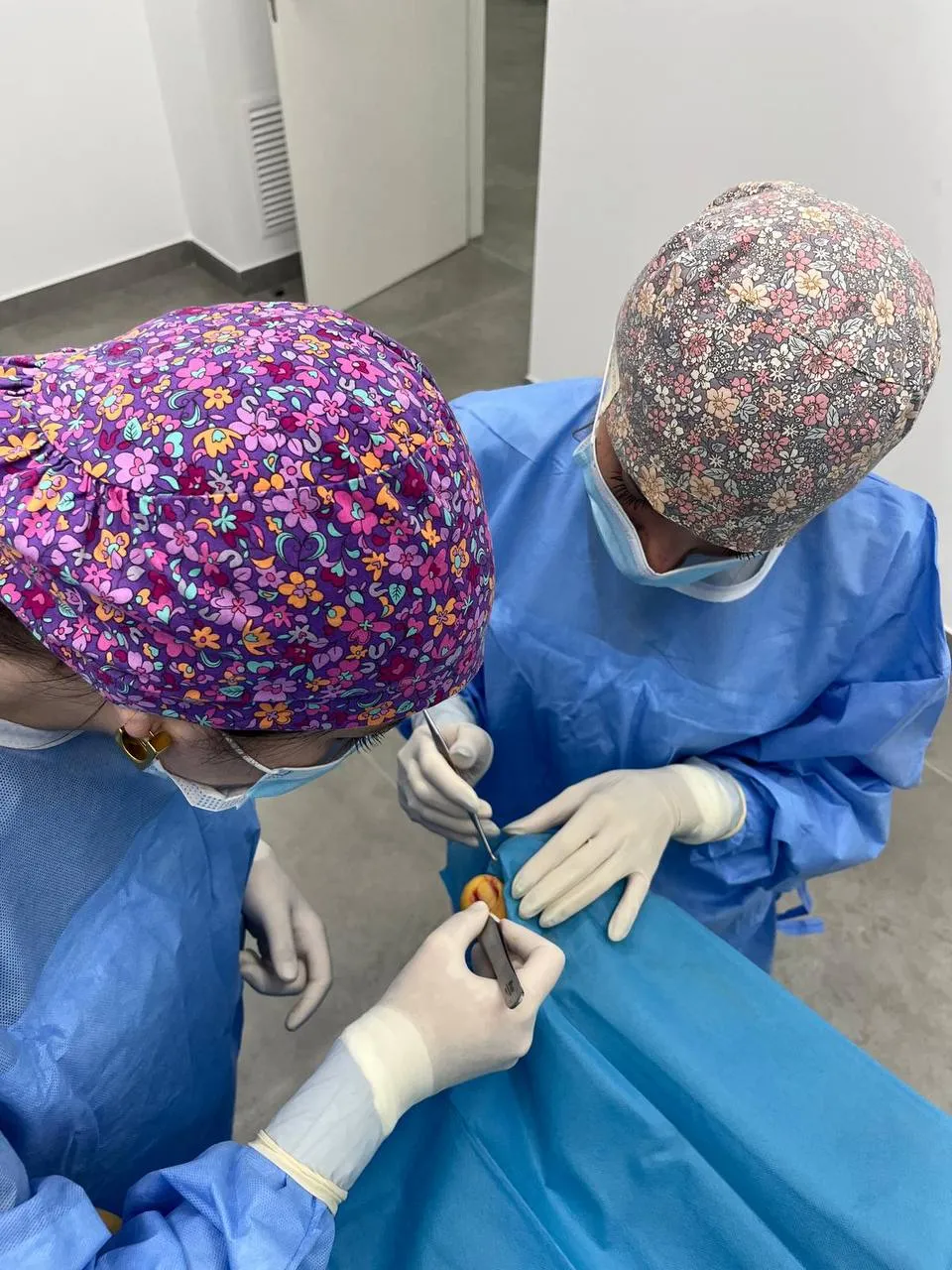
An ingrown toenail occurs when the edge of the nail grows inwards, piercing the surrounding skin. This causes pain and inflammation in the affected area. It is a condition that usually affects the big toe, although it can occur on other toes. If you have ever felt that discomfort or burning sensation when walking or wearing shoes, you may be experiencing an ingrown toenail. I understand how uncomfortable this can be, which is why it is important to treat it carefully and promptly.
The signs that you may have an ingrown toenail are:
If you notice any of these symptoms, don’t wait to seek help. Treating it promptly prevents more serious complications.
Ingrown toenails can occur for various reasons, and knowing them will help you prevent them:
These causes are treatable and, with the right measures, can be prevented to stop the problem from recurring.
As a podiatrist, my aim is to offer you clear and effective treatment, tailored to the severity of your condition. The process I follow is as follows:
I’ll be with you every step of the way to ensure the treatment is as comfortable and effective as possible.
It is essential that you seek treatment without delay if you experience any of the following:
Do not delay or try to manage it yourself. The sooner you receive treatment, the better the outcome will be.
If you have diabetes, you should be aware that ingrown toenails can be more dangerous for you. Sensitivity in the feet is often reduced, so you may not notice pain or inflammation in time. Furthermore, healing is slower and there is a greater risk of wounds or ulcers forming, which can lead to complications. Therefore, any ingrown toenail must be treated immediately to avoid serious problems. I am here to help you look after your feet with the care you deserve.
I treat patients in Valencia and throughout the province who are seeking a lasting solution for their ingrown toenails. I hold a degree in Podiatry from the Catholic University of Valencia and work with dedication to offer a personalised approach tailored to each individual. My commitment is to ensure you receive a clear diagnosis and appropriate treatment, always taking into account your specific needs and circumstances.
For cases requiring surgery, I administer local anaesthetic so that you feel no pain during the procedure. With conservative treatments, discomfort is minimal and usually disappears quickly after the procedure.
The initial consultation and conservative treatment have no fixed duration: we take the time your case needs. In the case of minor surgery, the procedure may take up to 45 minutes, including preparation and aftercare.
There is a risk that the ingrown toenail may return, especially if the underlying causes are not addressed. That is why, in addition to the treatment, I will give you advice on how to prevent future discomfort and keep your toenails healthy.
After conservative treatment, you can usually walk normally almost straight away. Following surgery, recovery is usually quick and within a few days you will be able to resume your usual activities, always following the instructions I give you for looking after the treated area.
If you’re looking for treatment for ingrown toenails in Valencia, Dr Cristina Koziy offers personalised podiatric diagnosis and treatment. You can book an appointment by phone or via the website:https://www.drakoziy.es
Book an appointment with us and we’ll give you a clear plan on your first visit.